
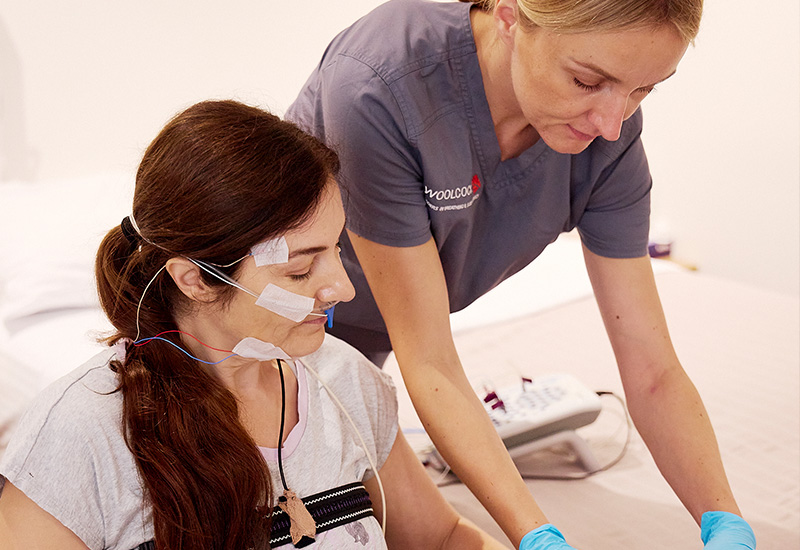
This guide compares typical costs, what is included, and how to choose the best-value option for their situation.
What is the real cost difference between a clinic sleep study and an at-home test in Sydney?
When researching Sydney sleep study cost, many people find that an at-home sleep test is usually the lower-cost option, while an in-clinic overnight study is typically the most expensive. The gap exists because clinics pay for staffed monitoring, specialised rooms, and more sensors.
As a rough guide, many at-home tests land in the “hundreds” range, while in-clinic polysomnography often reaches into the “thousands,” especially when privately billed. Exact pricing depends on the provider, inclusions, and whether Medicare or private health applies.
What do they actually get for the price in a clinic study?
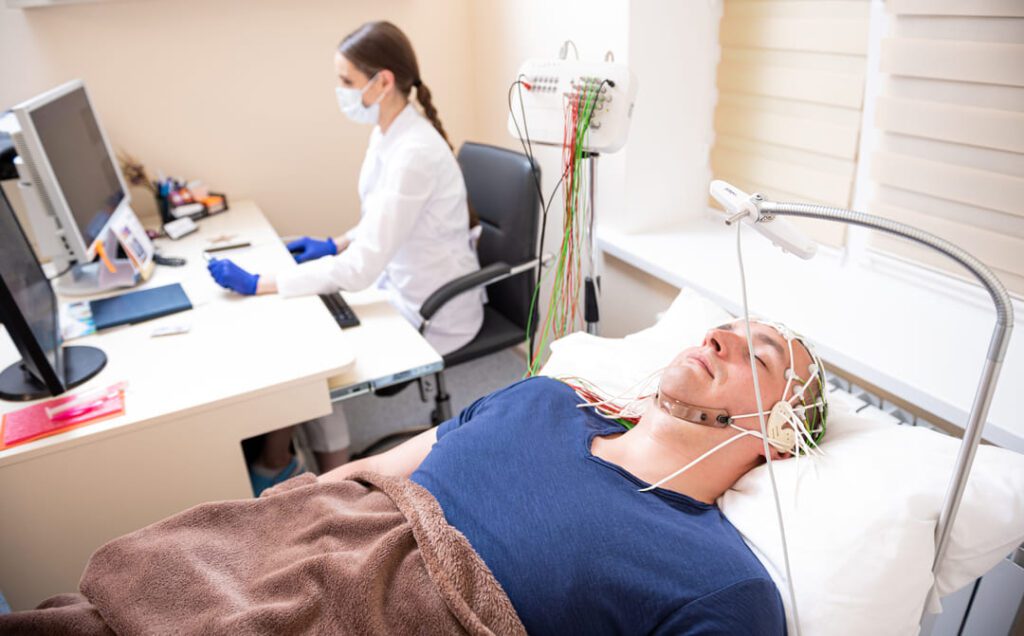
A clinic sleep study generally includes a full overnight setup with more channels of monitoring and technical support. That extra detail is often the reason it costs more.
Most in-lab studies track brain activity (EEG), eye movement, muscle tone, heart rhythm, breathing effort, airflow, oxygen levels, and limb movement. Because the environment is supervised, technicians can fix sensors during the night and ensure higher-quality data.
What do they actually get for the price in an at-home sleep test?
An at-home sleep test is usually simpler and focused on breathing-related sleep disorders, particularly obstructive sleep apnoea. It costs less because it uses fewer sensors and there is no overnight staffing.
Many home tests measure airflow, oxygen saturation, breathing effort, and heart rate. Some include snoring and body position. They usually do not record full sleep staging in the same way an in-clinic study does.
When is a clinic study worth the extra money?
A clinic study is often worth it when their symptoms suggest more than straightforward obstructive sleep apnoea. The higher price can buy clearer answers when the case is complicated.
It is commonly recommended when there is suspected central sleep apnoea, parasomnias, seizures during sleep, severe insomnia, periodic limb movement disorder, or when a prior home test was negative but symptoms remain strong.
When is an at-home test the best-value choice?
An at-home test is often best value when their main goal is to confirm moderate to severe obstructive sleep apnoea quickly and affordably. It can be a practical first step when symptoms are classic.
Typical signs include loud snoring, witnessed breathing pauses, waking unrefreshed, and daytime sleepiness, especially when they have higher risk factors like elevated BMI, hypertension, or a large neck circumference.
How do Medicare and referrals change the final price in Sydney?
Medicare can reduce out-of-pocket costs, but eligibility and rebates depend on the test type, provider, and whether they have an appropriate referral. A referral from a GP or specialist is often required for Medicare-billed pathways.
Some providers bulk bill certain consultations or offer partial rebates for testing, while others operate privately with limited Medicare benefit. The final cost can shift a lot depending on whether they are billed as an outpatient service, a private admission, or through a specific clinic arrangement.
How does private health insurance affect clinic vs at-home costs?
Private health may reduce costs for in-clinic studies more than for at-home tests, but it depends heavily on their level of cover and the provider’s billing model. They should confirm item numbers, excess, and any “gap” before booking.
At-home tests are sometimes treated as outpatient diagnostic services with smaller rebates, while in-clinic studies can involve hospital or day procedure billing where insurance may contribute more. Even then, they may still face specialist fees and interpretation charges. Learn more about bulk-bill sleep study Sydney: where to find no-gap options.
What hidden fees should they look for before booking?
The headline test price may not include everything, so they should ask what is bundled. Small add-ons can turn a “cheap” option into a less competitive one.
Common extras include initial consult fees, equipment deposit, scoring and reporting fees, follow-up appointments, CPAP trials, and fees for urgent reporting. If they need a second night due to poor data, they should confirm whether re-testing is included.
Which option is usually faster to book in Sydney?
At-home testing is often faster because there are fewer capacity constraints. Many providers can dispatch or fit devices within days, while clinic beds can have longer wait times.
However, speed varies by suburb, season, and whether they need a specialist appointment first. If timing matters, they should ask for the earliest realistic date for both the test and the final report.
How can they choose the right option without overpaying?
They can avoid overpaying by matching the test to the clinical question, not the marketing. The best-value choice is the one that answers the problem reliably the first time.
A simple decision rule helps: if symptoms strongly point to obstructive sleep apnoea, start with a reputable at-home test; if symptoms are complex, severe, or unclear, a clinic study may prevent wasted spend on repeat testing. They should also compare what is included, confirm rebates in writing, and ask who interprets the data and what follow-up support looks like.
FAQs (Frequently Asked Questions)
What is the cost difference between at-home sleep tests and clinic sleep studies in Sydney?
At-home sleep tests in Sydney typically cost in the hundreds of dollars range, making them a lower-cost option. In contrast, in-clinic overnight sleep studies, like polysomnography, can reach into the thousands, especially when privately billed. The higher cost for clinic studies reflects expenses such as staffed monitoring, specialised rooms, and more sensors. Exact prices vary based on provider, inclusions, and whether Medicare or private health insurance applies.
What does a clinic sleep study include and why is it more expensive?
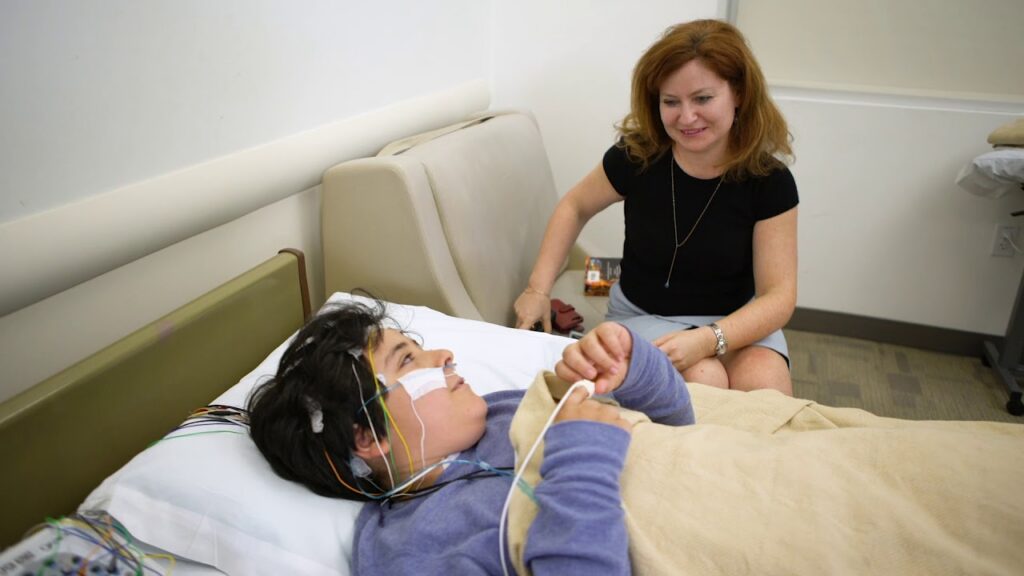
A clinic sleep study usually involves a full overnight setup with multiple monitoring channels including brain activity (EEG), eye movement, muscle tone, heart rhythm, breathing effort, airflow, oxygen levels, and limb movements. The supervised environment allows technicians to adjust sensors during the night ensuring high-quality data. This comprehensive monitoring and technical support contribute to the higher cost of clinic studies.
What can patients expect from an at-home sleep test in Sydney?
At-home sleep tests are generally simpler and focus on detecting breathing-related sleep disorders such as obstructive sleep apnoea. They use fewer sensors to measure airflow, oxygen saturation, breathing effort, heart rate, and sometimes snoring and body position. Without overnight staffing or full sleep staging like in-clinic studies, they offer a more affordable but less detailed assessment.
When should someone opt for a clinic sleep study over an at-home test?
Clinic studies are recommended when symptoms suggest complex or severe sleep disorders beyond straightforward obstructive sleep apnoea. This includes suspected central sleep apnoea, parasomnias, seizures during sleep, severe insomnia, periodic limb movement disorder, or if a prior home test was negative but symptoms persist. The detailed data from clinic studies provides clearer answers in complicated cases despite the higher cost.
How do Medicare referrals and private health insurance affect the cost of sleep studies in Sydney?
Medicare can reduce out-of-pocket expenses for sleep studies if eligibility criteria are met and an appropriate GP or specialist referral is provided. Some providers bulk bill consultations or offer partial rebates; others operate privately with limited Medicare benefits. Private health insurance may further reduce costs for in-clinic studies more than at-home tests depending on coverage level and billing models. Patients should verify item numbers, excesses, rebates, and any gap payments before booking.
What factors should patients consider to avoid hidden fees when booking a sleep study?
Patients should inquire about what is included in the quoted price as extras can increase costs significantly. Common additional fees include initial consultation charges, equipment deposits, scoring and reporting fees, follow-up appointments, CPAP trials, urgent reporting fees, and potential charges for repeat testing if data quality is poor. Confirming these details upfront helps avoid unexpected expenses when choosing between at-home tests and clinic studies.