
This guide explains where no-gap options typically exist in Sydney, what to ask, and how to avoid surprise fees.
What does “bulk-billed” and “no-gap” actually mean for a sleep study?
Bulk-billed means the provider bills Medicare directly and the patient pays nothing for that billed service, which is why many people look for a bulk-bill sleep study Sydney provider when exploring affordable testing options. No-gap means there is no out-of-pocket cost for the entire episode of care, but that can involve multiple items, such as consultation, the test, and the report.
In sleep medicine, “no-gap” can be tricky because a study may be bulk billed while appointments, equipment, or follow-up are not.
Which type of sleep study is most likely to be no-gap in Sydney?
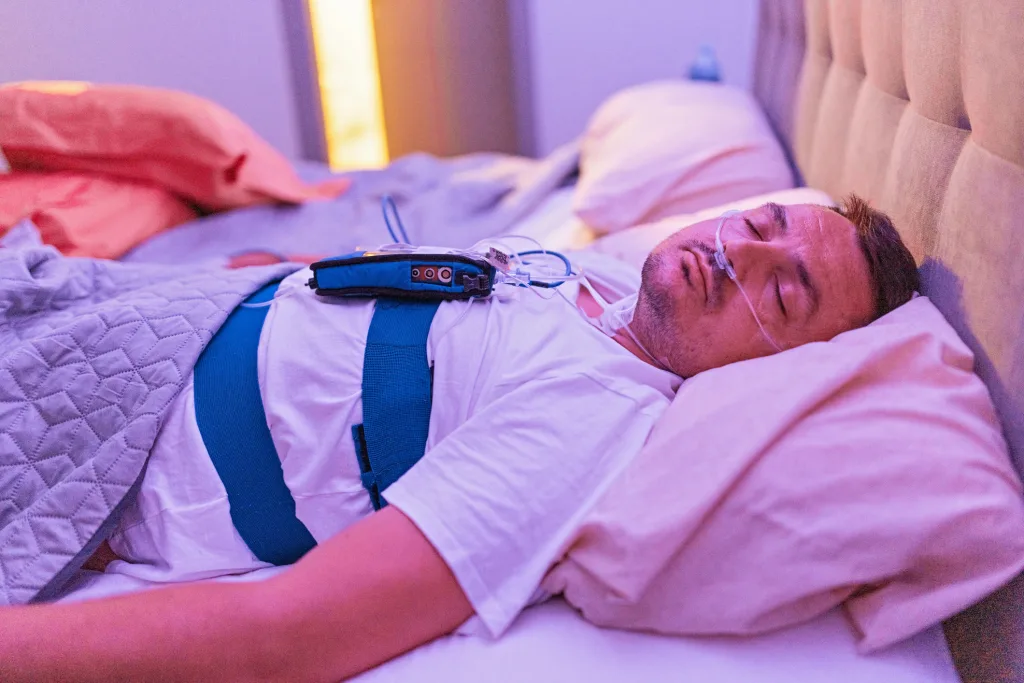
Home sleep tests are more commonly offered as bulk billed or low-cost because they are cheaper to run than in-lab polysomnography. In-lab studies are more likely to involve gaps due to facility fees, higher staffing costs, and longer monitoring.
If they only need assessment for suspected obstructive sleep apnoea, a home test is often the first place to look for no-gap pathways.
Where do people usually find bulk-bill sleep study options in Sydney?
The most common places to find bulk-billed pathways are public hospitals, some university-linked clinics, and private providers that run Medicare-billed home sleep tests. Availability varies by suburb and waiting lists can be long, so it helps to call several providers and confirm fees for each step.
They should focus their search on three channels: public outpatient clinics, GP-referred private sleep services, and telehealth home test providers servicing Sydney.
Can a GP referral unlock a no-gap sleep study?
Yes, a GP referral is often required, and it can be the difference between paying privately and accessing a Medicare pathway. Many bulk-billed home sleep tests require a referral that states suspected sleep apnoea and relevant symptoms.
They should ask the GP to include clear indications, such as loud snoring, witnessed apnoeas, excessive daytime sleepiness, hypertension, or elevated BMI, if clinically appropriate.
Are public hospitals in Sydney a realistic no-gap option?
Public hospitals can be no-gap for eligible patients, but waiting times are the trade-off. They may triage based on severity, safety risks, and comorbidities, so mild symptoms can mean a longer queue.
If they want to pursue this route, they should ask their GP about referral to a public sleep clinic and whether home testing is available through that clinic before an in-lab study is considered.
Do “free sleep study” ads in Sydney usually mean no-gap?
Not always. Some ads refer only to the diagnostic test being bulk billed, while consultations, reporting, mask fitting, or CPAP trials may incur costs. Others bundle the cost into equipment purchases later.
They should treat any “free” claim as a prompt to ask for a written, itemised fee schedule that covers consults, the test, the report, and follow-up.
What questions should they ask to confirm a truly no-gap pathway?
They should ask direct questions and request written confirmation, because phone answers can be vague. The goal is to confirm every step that might be billed separately.
Key questions to ask:
- Is the initial consultation bulk billed, and is there any gap?
- Is the sleep study itself bulk billed, and what Medicare item is used?
- Is the interpreting doctor’s report bulk billed?
- Are there device, delivery, or consumable fees for a home test?
- What are the costs for follow-up appointments?
- If CPAP is recommended, are there any linked fees or obligations?
What hidden costs commonly break “no-gap” sleep studies?
Common add-ons include gap fees for specialist consultations, administration charges, disposable sensors, postage or courier fees for home tests, and additional tests if the first study is inconclusive. In-lab studies can also introduce facility charges or higher gaps for overnight supervision.
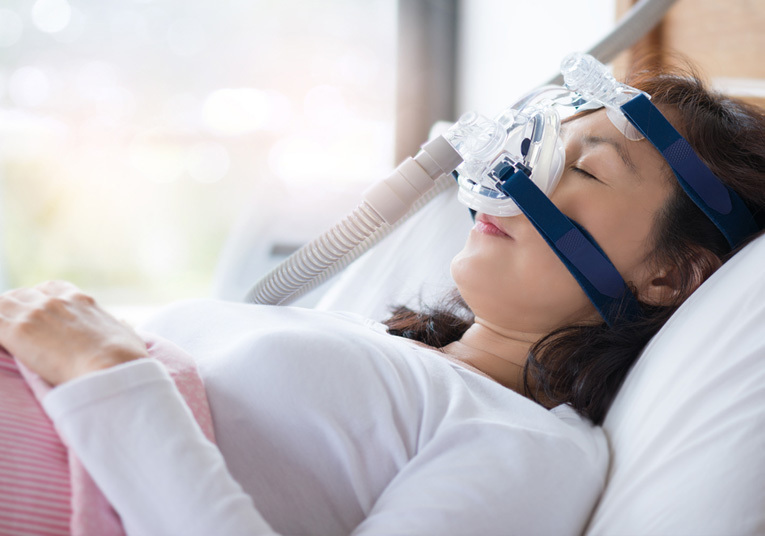
They should also watch for costs tied to treatment, such as CPAP hire, mask swaps, or compliance downloads, which are separate from the study itself. Learn more about Sydney sleep study cost compared: clinic vs at-home testing.
Which Sydney suburbs should they search in for the best availability?
No-gap availability is less about the suburb and more about provider billing policy and capacity, but higher-density medical hubs can offer more choice. Areas near major hospitals and specialist clusters often have multiple providers to call, which improves the chance of finding a bulk-billed opening.
They should search broadly across Sydney rather than limiting to one postcode, especially for home tests that can be posted or picked up.
What should they do if they are told “bulk billed, but only with eligibility”?
They should ask exactly what eligibility means in that clinic’s context. Some clinics bulk bill only concession card holders, pensioners, students, or children, while others bulk bill based on clinical criteria or limited monthly quotas.
They should ask the clinic to state the eligibility rules, what documents are required, and whether there is a waitlist for bulk-billed slots.
How can they compare providers quickly without wasting weeks?
They should build a shortlist and ask the same fee questions to each provider, then compare in a simple table. Calling reception is usually faster than email for confirming gaps, but they should request written confirmation by email before booking.
A practical approach is to shortlist 5 to 10 providers, prioritise those offering Medicare-billed home tests, and keep public hospital referral as a parallel path.
What’s the safest next step to find a no-gap bulk-billed sleep study in Sydney?
They should start with a GP appointment and request a referral that supports Medicare-eligible testing, then call multiple providers to confirm a no-gap pathway in writing. If cost is the top concern, they should prioritise home sleep testing first and ask the GP about public clinic referral at the same time.
That two-track approach usually gives the best chance of finding a genuine no-gap option without delaying care.
FAQs (Frequently Asked Questions)
What does ‘bulk-billed’ and ‘no-gap’ mean for a sleep study in Sydney?
Bulk-billed means the provider bills Medicare directly, so the patient pays nothing for that service. No-gap means there are no out-of-pocket costs for the entire episode of care, including consultation, the sleep test, and reporting. However, in sleep medicine, some parts like equipment or follow-ups may not be bulk billed even if the study itself is.
Which type of sleep study is most likely to be bulk-billed or no-gap in Sydney?
Home sleep tests are more commonly bulk billed or low-cost in Sydney because they are less expensive to run than in-lab polysomnography. If assessment for suspected obstructive sleep apnoea is needed, home sleep tests often offer the best chance for a no-gap pathway.
Where can I find bulk-billed or no-gap sleep study options in Sydney?
Bulk-billed pathways are typically available at public hospitals, some university-linked clinics, and private providers offering Medicare-billed home sleep tests. Searching through public outpatient clinics, GP-referred private sleep services, and telehealth home test providers servicing Sydney increases your chances of finding no-gap options.

Can a GP referral help me access a no-gap bulk-billed sleep study?
Yes, a GP referral is often required and can unlock Medicare pathways that reduce or eliminate out-of-pocket costs. The referral should clearly state suspected sleep apnoea and relevant symptoms like loud snoring or excessive daytime sleepiness to support eligibility for bulk billing.
Are public hospitals a realistic option for no-gap sleep studies in Sydney?
Public hospitals can provide no-gap sleep studies for eligible patients but may have longer waiting times. They often triage based on severity and comorbidities. Discuss with your GP about referrals to public sleep clinics and whether home testing is available before considering in-lab studies.
How can I confirm if a ‘free’ or ‘bulk billed’ sleep study truly has no out-of-pocket costs?
Always ask detailed questions and request written confirmation covering all aspects: initial consultation, the sleep test itself (including Medicare item numbers), interpreting doctor’s report, device fees, follow-up appointments, and any CPAP-related charges. Treat any ‘free’ claims cautiously until you receive an itemised fee schedule in writing.