
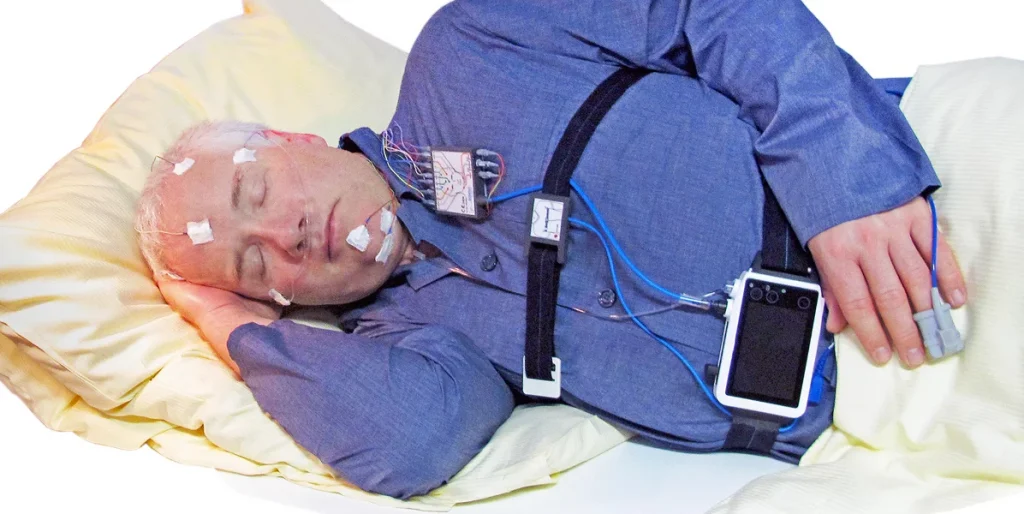
For many people, a home sleep study is accurate enough to diagnose obstructive sleep apnoea and guide treatment. But for complex symptoms, certain medical conditions, or unclear results, in-clinic testing can still be the more reliable option.
What exactly is a home sleep study?
A home sleep study Brisbane is a portable test that records breathing and oxygen levels while the patient sleeps in their own bed. It is commonly used to assess suspected obstructive sleep apnoea.
Most home studies measure airflow, breathing effort, blood oxygen saturation, heart rate and body position. They usually do not record brain waves, so they estimate sleep time rather than measuring it precisely.
What happens during an in-clinic sleep study?
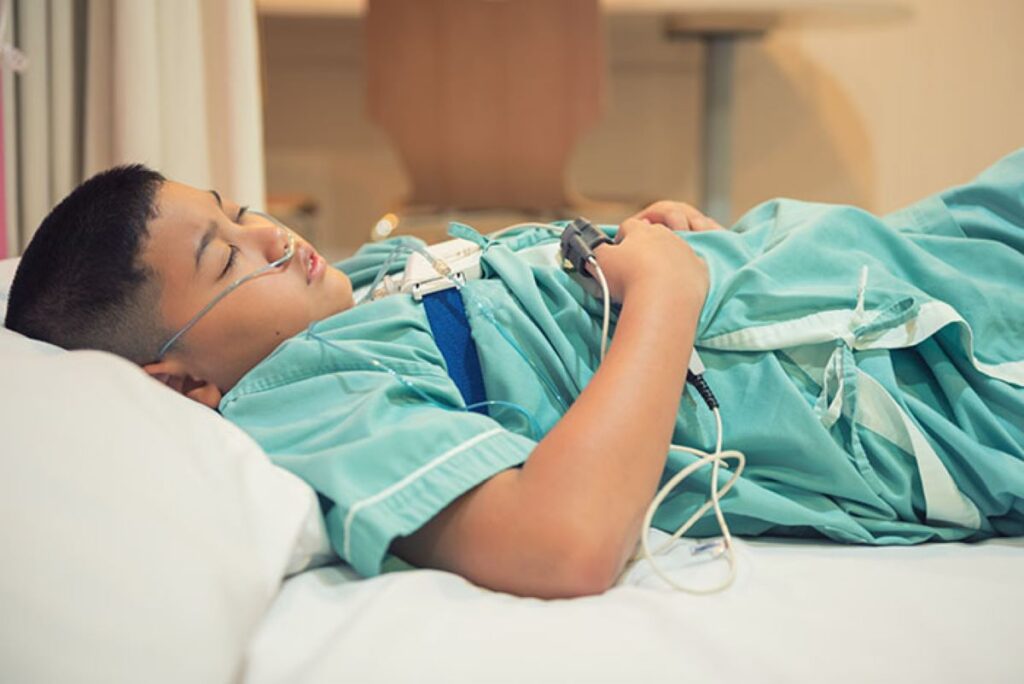
An in-clinic sleep study (polysomnography) is an overnight test conducted in a sleep laboratory with a wider set of sensors. It is designed to capture a more complete picture of sleep and breathing.
In addition to breathing and oxygen, it typically records brain activity (EEG), eye movements, muscle tone, leg movements and detailed sleep stages. That extra data can matter when symptoms do not fit a straightforward sleep apnoea pattern.
Is a home sleep study accurate for sleep apnoea?
For many people with a high likelihood of moderate to severe obstructive sleep apnoea, home sleep studies can be highly accurate. They tend to perform best when symptoms are classic, such as loud snoring, witnessed pauses in breathing and daytime sleepiness.
Accuracy can drop when sleep apnoea is mild, when signals are lost overnight, or when the person sleeps very little. Because most home tests estimate total sleep time, severity can be under- or overestimated in borderline cases.
Why can home sleep studies miss things that clinics catch?
Home sleep studies usually focus on breathing patterns and oxygen drops, not the full architecture of sleep. Without brain-wave monitoring, they cannot reliably confirm when the patient is actually asleep.
This matters if someone lies awake for long periods, has insomnia, or has fragmented sleep. It also matters when the goal is to identify conditions beyond obstructive sleep apnoea, such as parasomnias or seizure activity.
Who is a good candidate for a home sleep study in Brisbane?
Home testing often suits adults with a strong suspicion of obstructive sleep apnoea and no major complicating factors. It can also suit those who would struggle to sleep in a lab or need a faster, lower-disruption pathway to diagnosis.
Clinicians commonly recommend home testing when symptoms are clear and the main question is whether apnoea is present and how severe it is. It is often used as the first-line test before considering more complex investigations.
When is in-clinic testing the better choice?
In-clinic testing is typically preferred when symptoms are unusual, the risk profile is more complex, or a home test is negative despite strong suspicion. It is also often recommended for people with significant heart or lung disease, suspected central sleep apnoea, or possible hypoventilation.
It can also be more appropriate where other sleep disorders are suspected, such as narcolepsy, periodic limb movement disorder, REM behaviour disorder, or when there are safety concerns about severe overnight oxygen drops.
What does “accurate” mean for these tests?
Accuracy can mean different things depending on the goal. For many patients, the key outcome is whether the test correctly identifies clinically significant obstructive sleep apnoea and provides a reliable index to guide treatment.
Home tests can be very accurate for that purpose in the right population. In-clinic tests are more comprehensive and can be more accurate when sleep time, sleep stages, arousals, or non-breathing sleep disorders need to be measured.
Can a home sleep study underestimate severity?
Yes, home sleep studies can sometimes underestimate severity, particularly if the patient is awake for long periods or the device fails to capture signals properly. If the system assumes more sleep than actually occurred, the calculated event rate can look lower than reality.
Underestimation is also possible if apnoeas are position-dependent and the patient spends less time on their back at home than they usually do, or if the night tested was not representative.
What should they do if a home sleep study is negative but symptoms persist?
A negative home study does not always close the case. If symptoms remain strong, they should discuss follow-up with a qualified clinician, as repeat testing or an in-clinic study may be warranted.
Common reasons for a mismatch include poor sensor contact, unrepresentative sleep, mild disease near the threshold, or a different underlying condition. Escalating to polysomnography can clarify what is happening.
How should they choose between home and in-clinic testing in Brisbane?
They should base the decision on symptoms, medical history, and how much detail is needed to answer the clinical question. Convenience is important, but so is avoiding delays caused by an inappropriate first test.
A practical approach is often: home testing first when obstructive sleep apnoea is strongly suspected and risk is low, then in-clinic testing when results are unclear, symptoms are complex, or other sleep disorders are possible.
What is the bottom line on accuracy?
Home sleep studies in Brisbane can be as accurate as in-clinic testing for many straightforward cases of obstructive sleep apnoea. They are not “inferior” by default, but they are narrower in what they can measure.
In-clinic testing remains the gold standard when a full sleep assessment is required, when the diagnosis is uncertain, or when the patient’s health profile demands the most comprehensive data possible.
Related : Home Sleep Study Adelaide: How It Works and Who It’s For
FAQs (Frequently Asked Questions)
What is a home sleep study and how does it work?
A home sleep study is a portable test that records breathing patterns, oxygen levels, heart rate, and body position while you sleep in your own bed. It is commonly used to assess suspected obstructive sleep apnoea by estimating sleep time based on these measurements, though it does not record brain waves.
How does an in-clinic sleep study differ from a home sleep study?
An in-clinic sleep study, or polysomnography, is conducted overnight in a specialised sleep laboratory and includes a wider range of sensors. It records brain activity (EEG), eye movements, muscle tone, leg movements, detailed sleep stages, and breathing parameters to provide a comprehensive picture of your sleep and identify complex or unclear cases.
Are home sleep studies accurate for diagnosing obstructive sleep apnoea?
For many people with classic symptoms of moderate to severe obstructive sleep apnoea—like loud snoring, witnessed breathing pauses, and daytime sleepiness—home sleep studies can be highly accurate. However, accuracy may decrease with mild apnoea, signal loss overnight, or insufficient sleep duration during the test.
Who is an ideal candidate for a home sleep study in Brisbane?
Adults in Brisbane with clear symptoms strongly suggestive of obstructive sleep apnoea and no major complicating health factors are good candidates for home testing. It’s also suitable for those who find sleeping in a lab challenging or require quicker diagnosis with minimal disruption.
When should someone opt for an in-clinic sleep study instead of a home test?
In-clinic testing is recommended if symptoms are unusual or complex, if there’s suspicion of other sleep disorders like narcolepsy or REM behaviour disorder, if significant heart or lung disease exists, or when previous home tests are negative despite persistent symptoms. It provides more comprehensive data essential for accurate diagnosis in such cases.
What steps should be taken if a home sleep study result is negative but symptoms continue?
If symptoms persist after a negative home study, it’s important to consult a qualified clinician for further evaluation. This may involve repeat testing or undergoing an in-clinic polysomnography to clarify the diagnosis and ensure appropriate treatment.