
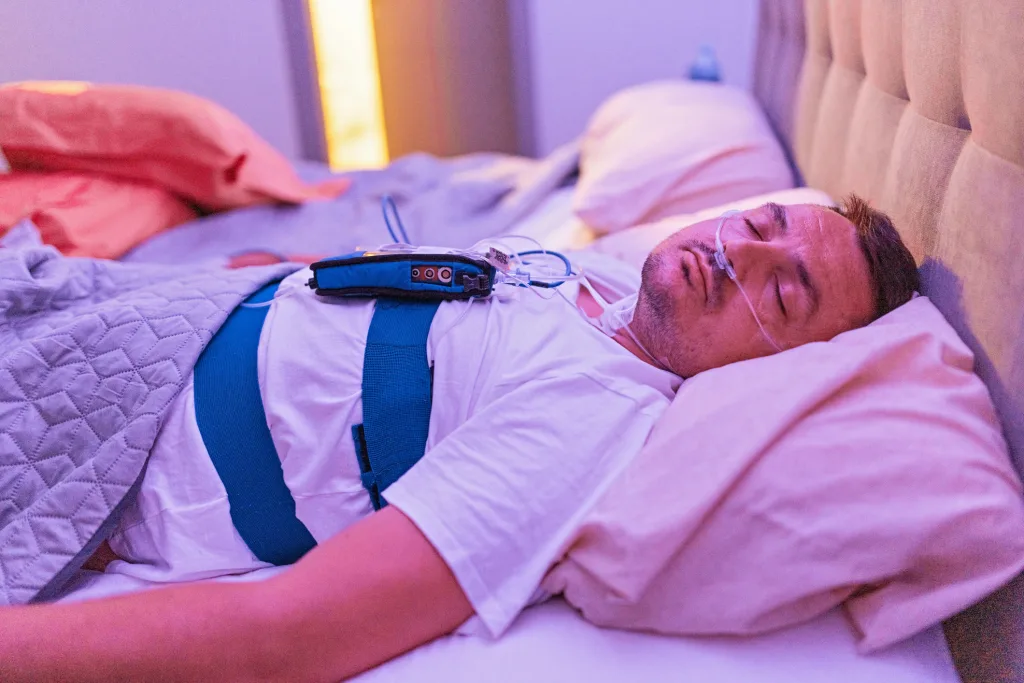
A home sleep study is designed to capture key breathing and oxygen patterns while someone sleeps in their own bed. It is commonly used to assess suspected sleep apnoea and helps clinicians decide what happens next.
What is a home sleep study?
A home sleep study Adelaide is a portable test that measures breathing during sleep, usually to check for obstructive sleep apnoea. It typically records airflow, breathing effort, oxygen saturation, heart rate, and body position, then a clinician interprets the results.
It is different from a full in-lab sleep study because it focuses mainly on breathing-related sleep disorders rather than the full range of neurological sleep conditions.
How does a home sleep study work in Adelaide?
In Adelaide, the process usually involves referral, device set-up, one or more nights of recording, and a clinical report. Most providers offer either clinic pick-up or delivery, plus instructions so patients can fit the equipment themselves.
After the night’s recording, the device is returned or collected. The data is analysed, and the findings are provided to the referring GP or a sleep specialist, often with a recommended next step.
What equipment do they wear during a home sleep study?
Most home sleep studies use a small recording unit worn on the chest or attached to a belt. Patients usually wear a finger probe to measure oxygen levels and pulse, and a nasal cannula to measure airflow.
Some setups include effort belts around the chest and abdomen to track breathing effort, plus a position sensor to see whether events worsen when lying on the back. The aim is to keep it practical so normal sleep is more likely.
What happens on the night of the test?
They follow their usual evening routine as closely as possible, then fit the sensors just before sleep. Most providers recommend avoiding new sleep aids, heavy alcohol, or unusual late-night exercise because it can skew results.
If a sensor loosens during the night, they reattach it if they wake. The goal is a representative night, not a “perfect” night, because clinicians need to see what typically happens.
How many nights do they need to test?
Many home sleep studies are done over one night, but some providers recommend two nights to improve reliability. This can be helpful if sleep is unusually short, if the first night’s data is incomplete, or if symptoms vary.
If the device records insufficient data, the provider may repeat the study. The number of nights is usually decided based on symptoms, risk factors, and data quality.
What conditions can a home sleep study detect?
Home sleep studies are mainly used to detect obstructive sleep apnoea, which involves repeated airway collapse and breathing interruptions during sleep. They can also identify patterns consistent with central sleep apnoea in some cases, although this often needs specialist follow-up.
They are not designed to fully diagnose insomnia, parasomnias, narcolepsy, REM behaviour disorder, or nocturnal seizures. If those are suspected, an in-lab study is often more appropriate.
Who is a home sleep study for?
It is best suited to adults with a moderate to high likelihood of obstructive sleep apnoea. Typical signs include loud habitual snoring, witnessed pauses in breathing, choking or gasping at night, and persistent daytime sleepiness.
It is also commonly considered for people with high blood pressure, atrial fibrillation, type 2 diabetes, reflux, or weight gain alongside sleep symptoms. The key point is that it is most accurate when the main question is “is this sleep apnoea?”
Who might not be suitable for a home sleep study?
They may not be an ideal candidate if they have significant heart failure, severe lung disease, neuromuscular conditions affecting breathing, or suspected hypoventilation. These situations often need closer monitoring and additional signals that a lab study provides.
It may also be less suitable if the primary complaint is insomnia without snoring or breathing symptoms, or if there is concern about complex sleep disorders. In those cases, a clinician may recommend an in-lab polysomnography test.
How accurate is a home sleep study?
For diagnosing moderate to severe obstructive sleep apnoea in higher-risk patients, home sleep studies can be very effective. They capture the core markers clinicians rely on, especially oxygen drops and airflow limitation.
However, they usually cannot measure actual sleep stages, so results are sometimes reported using recording time rather than true sleep time. This can underestimate severity in some people, which is why clinical judgement and symptom context matter.
What do the results mean, and how are they reported?
Results typically include an index of breathing events per hour, oxygen desaturation measures, and a summary of snoring or position effects if recorded. Severity is often categorised as mild, moderate, or severe depending on the event rate and oxygen impact.
A clinician interprets the numbers alongside symptoms. Someone with “mild” results but significant sleepiness and oxygen dips may still need treatment, while someone with higher numbers but minimal symptoms may have a different discussion about risks and options.
What happens after they receive the results?
If the study suggests obstructive sleep apnoea, the next step is usually a treatment plan. Common options include CPAP therapy, mandibular advancement splints (for suitable jaw anatomy and severity), weight management, positional therapy, and addressing nasal obstruction.
If results are negative but symptoms remain strong, the clinician may recommend repeat testing or an in-lab sleep study. The aim is not just a report, but a clear path to improving sleep and reducing health risks.
How do they prepare to get the best results?
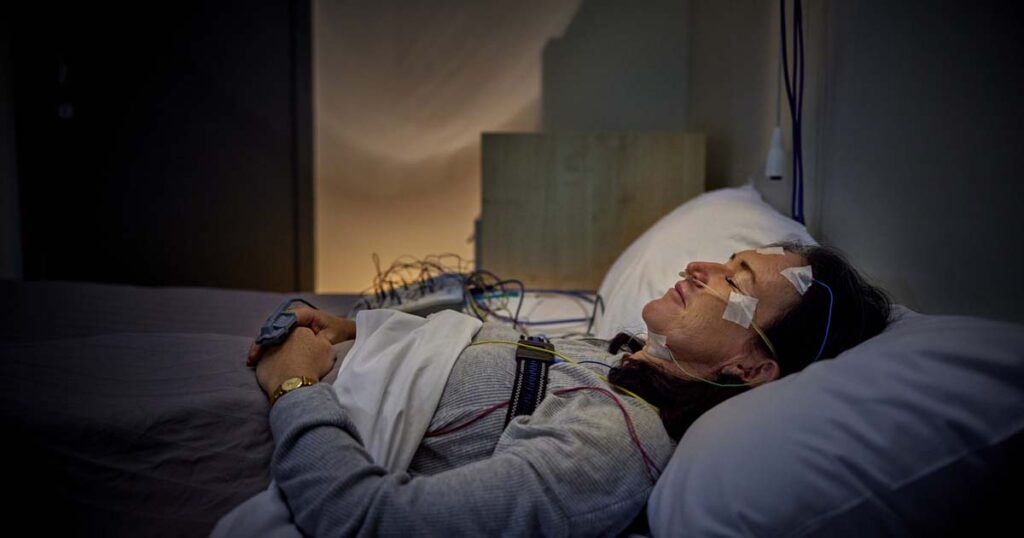
They should aim for a typical night’s sleep and follow the provider’s set-up instructions carefully. It helps to apply the finger probe securely, place the nasal cannula properly, and keep the recorder positioned as instructed.
They should also note anything unusual, such as illness, heavy alcohol intake, or very short sleep, and share it with the clinician. That context can explain odd data and prevent misinterpretation.
What are the main benefits of a home sleep study in Adelaide?
The biggest benefit is convenience: they sleep at home, in their usual environment, with fewer disruptions than a lab. It is also often quicker to organise and can be more affordable, depending on referral pathways and provider pricing.
It can also reduce barriers for people who cannot easily spend a night in a sleep lab due to caring responsibilities, anxiety about unfamiliar environments, or work schedules. You may like to visit https://txccr.org/home-sleep-study-brisbane-is-it-as-accurate-as-in-clinic-testing/ to get more about Home Sleep Study Brisbane: Is It as Accurate as In-Clinic Testing?
What should they ask a provider before booking?
They should ask what the test measures, how many nights are included, and whether a sleep physician reviews the data. It is also worth confirming turnaround times, total costs, and whether follow-up support is included if results are positive.
They can also ask what happens if the data is inadequate, and whether they will receive a clear written report shared with their GP. A good process makes the next step straightforward.
What is the simplest way to decide if they should get tested?
If they snore loudly, stop breathing during sleep, wake unrefreshed, or struggle with daytime sleepiness, a discussion with a GP is often the best starting point. If the clinical picture suggests sleep apnoea, a home sleep study is usually the quickest, least disruptive diagnostic step.
The goal is clarity. When sleep improves, focus, mood, and long-term health often improve too, and a home sleep study can be the start of that change.
FAQs (Frequently Asked Questions)
What is a home sleep study and how does it differ from an in-lab sleep study?
A home sleep study is a portable test designed to measure breathing patterns during sleep, primarily to check for obstructive sleep apnoea. Unlike a full in-lab sleep study that assesses a wide range of neurological sleep conditions, a home sleep study focuses mainly on breathing-related disorders by recording airflow, breathing effort, oxygen saturation, heart rate, and body position while you sleep in your own bed.
How is a home sleep study conducted in Adelaide?
In Adelaide, obtaining a home sleep study typically involves a referral from your GP or specialist. You receive the portable device either via clinic pick-up or delivery, with instructions to set it up yourself. The device records your breathing overnight at home and is then returned or collected. A clinician analyses the data and provides a report to your healthcare provider with recommendations for next steps.
Who is suitable for a home sleep study?
Home sleep studies are best suited for adults who have moderate to high risk of obstructive sleep apnoea. This includes individuals experiencing loud habitual snoring, witnessed breathing pauses during sleep, choking or gasping at night, and persistent daytime sleepiness. It’s also commonly recommended for people with related health issues such as high blood pressure, atrial fibrillation, type 2 diabetes, reflux, or weight gain alongside these symptoms.
What equipment is used during a home sleep study?
During a home sleep study, you typically wear a small recording unit attached to your chest or belt. A finger probe measures oxygen levels and pulse rate, while a nasal cannula tracks airflow. Some setups include belts around the chest and abdomen to monitor breathing effort and sensors to detect body position. The equipment is designed to be practical so you can maintain normal sleeping habits.
How accurate are home sleep studies in diagnosing obstructive sleep apnoea?
Home sleep studies are very effective at diagnosing moderate to severe obstructive sleep apnoea in higher-risk patients by capturing key indicators like oxygen desaturation and airflow limitations. However, they do not measure actual sleep stages and may underestimate severity since results are based on recording time rather than true sleeping time. Therefore, clinical judgement alongside symptoms is essential when interpreting results.
What happens after receiving the results of a home sleep study?
If the results indicate obstructive sleep apnoea, your clinician will discuss treatment options such as CPAP therapy, mandibular advancement devices (if appropriate), weight management strategies, positional therapy, or addressing nasal obstructions. If the test results are negative but symptoms persist strongly, further evaluation through repeat testing or an in-lab polysomnography might be recommended to explore other potential causes.